Opis
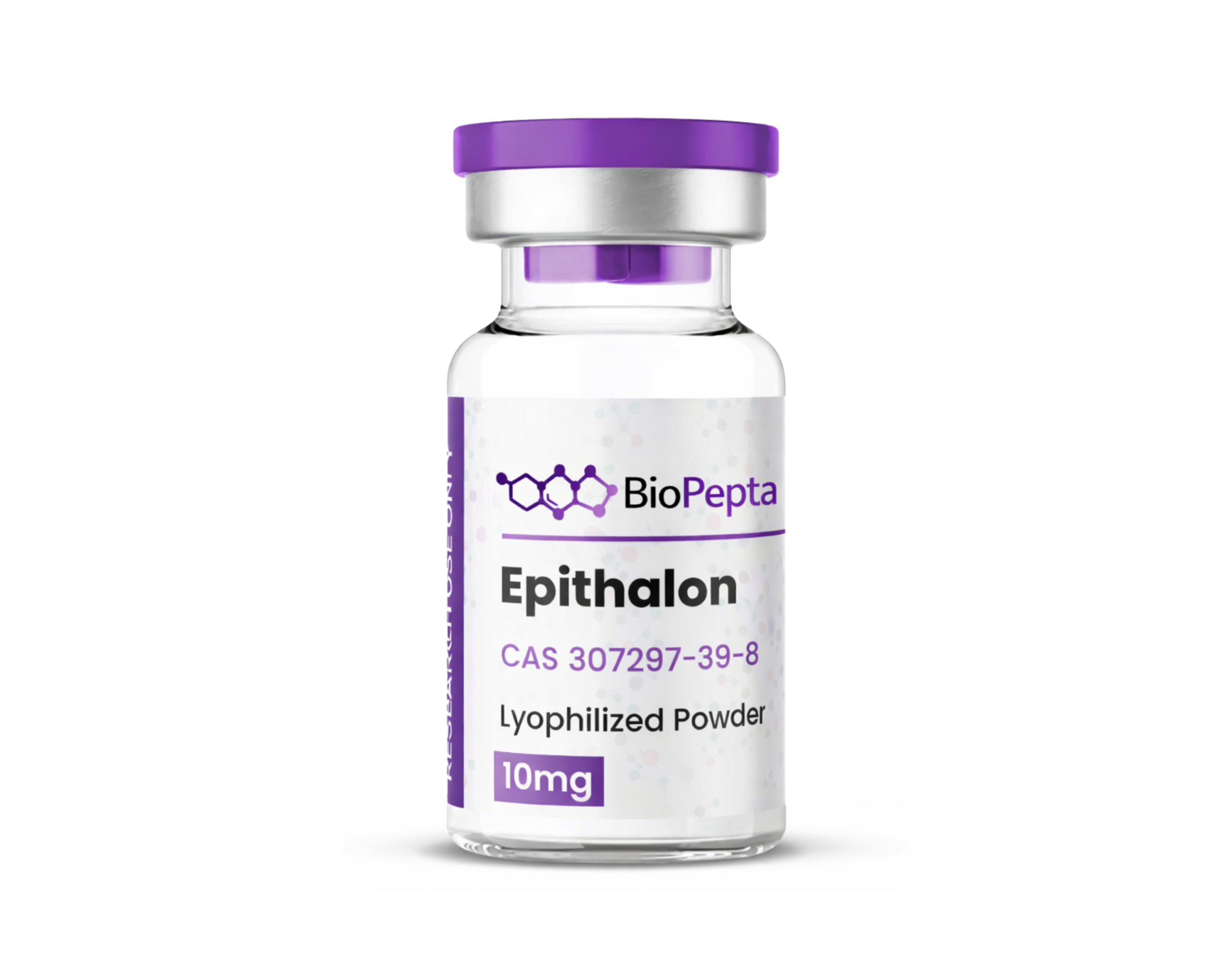
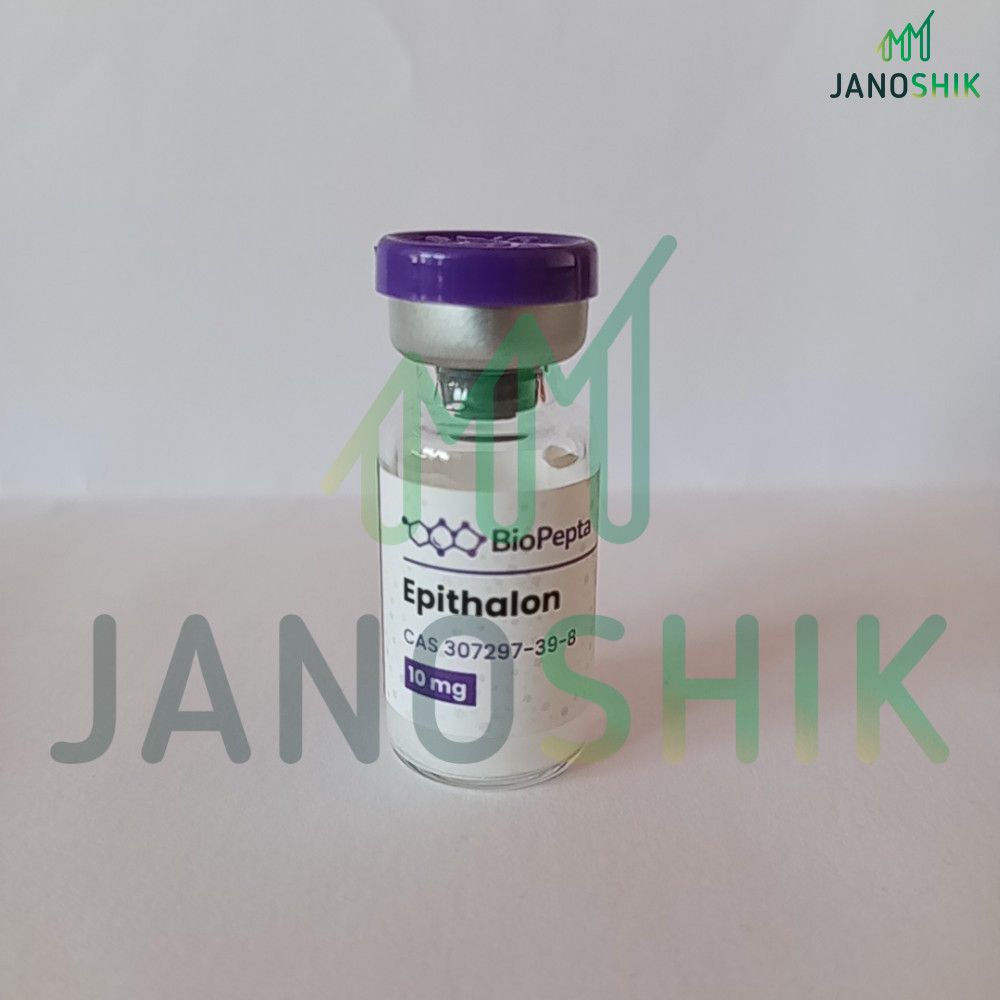
Epithalon – Characteristics, Structure, and Application in Laboratory Research
What is Epithalon?
Epithalon (also known as Epitalon) is a synthetic peptide composed of four amino acids (a tetrapeptide), developed based on research into peptides isolated from the pineal gland. Due to its simple structure and well-defined amino acid sequence, it has been a subject of research in molecular biology, biochemistry, experimental gerontology, and cell biology for many years.
Initial work on Epithalon was conducted by Russian research teams specializing in regulatory peptides. Since then, the substance has become the subject of numerous scientific publications analyzing its chemical properties, stability, and potential interactions with processes occurring at the cellular level.
Chemical Structure
Epithalon is a synthetic tetrapeptide with the amino acid sequence:
Ala-Glu-Asp-Gly
(L-alanyl-L-glutamyl-L-aspartyl-glycine)
Its short amino acid sequence makes the peptide frequently used as a research model for analyzing the structure of short peptides and developing methods for their identification and characterization.
Due to its low molecular weight, Epithalon is also used in studies concerning the physicochemical properties of synthetic peptides and their synthesis methods.
Epithalon as a Subject of Scientific Research
For many years, Epithalon has remained a subject of basic research regarding the biology of regulatory peptides. Scientific publications dedicated to this substance focus primarily on analyzing its chemical structure, molecular properties, and possible interactions with cellular processes.
The most commonly described research directions include:
- regulatory peptides,
- pineal gland biology,
- biological mechanisms of cellular aging,
- telomeres and telomerase activity,
- gene expression,
- molecular biology,
- cell biology,
- peptide chemistry,
- molecular modeling,
- physicochemical properties of short peptides.
In scientific literature, Epithalon also frequently appears in studies dedicated to the regulation of cellular processes and the analysis of short peptides with potential biological significance.
Application in Laboratory Research
Epithalon is used as research material in laboratories specializing in peptide chemistry, molecular biology, and cell biology.
It is most commonly used in work involving:
- peptide chemistry,
- biochemistry,
- molecular biology,
- cell biology,
- experimental gerontology,
- gene expression studies,
- telomere analysis,
- liquid chromatography (HPLC),
- mass spectrometry (LC-MS),
- peptide identification and characterization.
Scientific publications also describe the use of Epithalon in research on short regulatory peptides and their structural properties.
Significance in Peptide Research
Epithalon is one of the best-known synthetic tetrapeptides used in basic research. Thanks to its short, clearly defined amino acid sequence, it serves as a convenient model for analyses regarding the relationship between peptide structure and its chemical properties.
Researchers are particularly interested in its connection to studies on telomeres, telomerase activity, and processes related to cell biology and cellular aging. For this reason, Epithalon regularly appears in publications in the fields of molecular biology, experimental gerontology, and peptide chemistry.

 Darmowa dostawa od 500 zł
 Zamów do godziny 15, a wyślemy tego samego dnia
Opinie
Nie ma jeszcze żadnych recenzji