Description
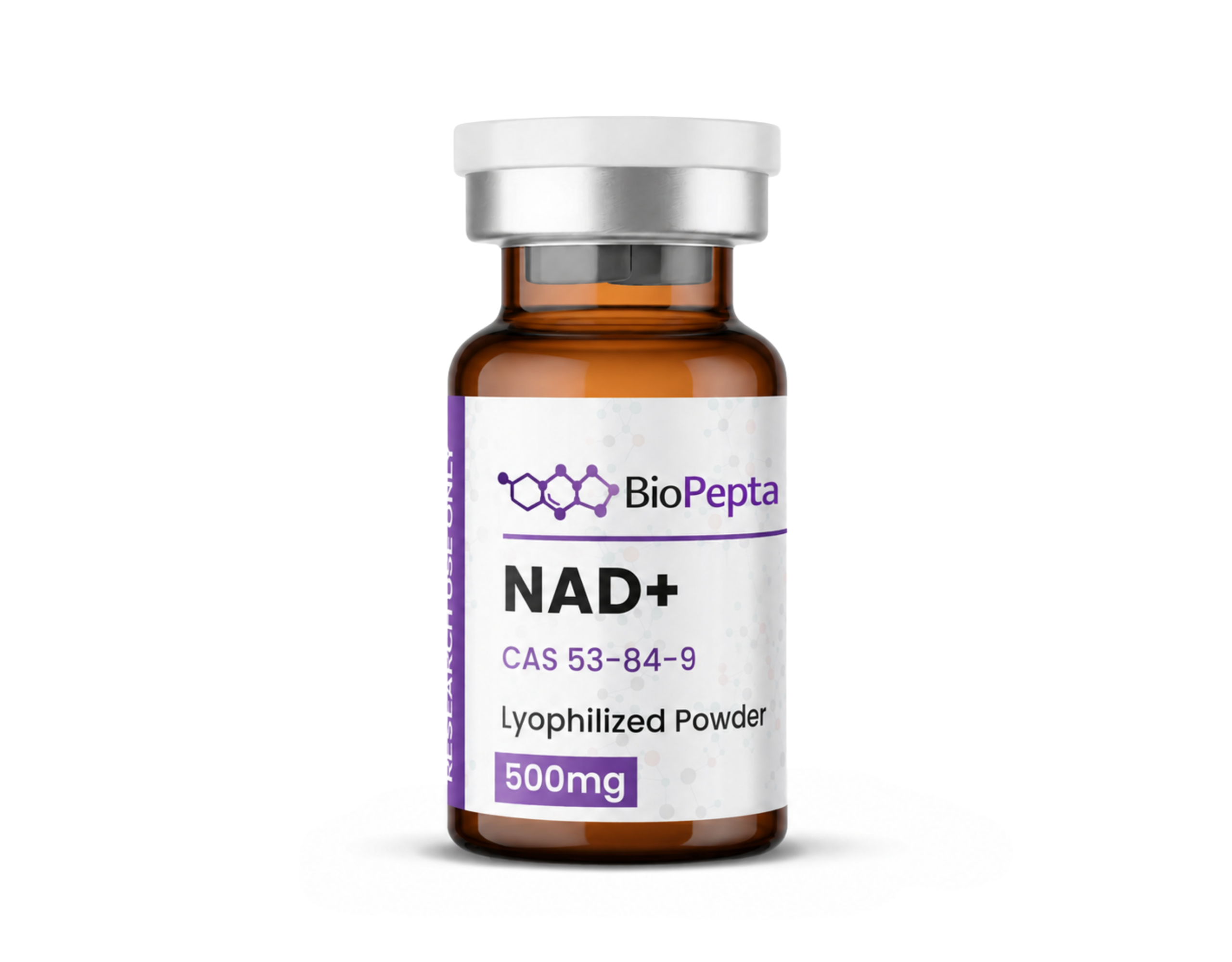
NAD+ (Nicotinamide Adenine Dinucleotide)
What is NAD+?
NAD+ (Nicotinamide Adenine Dinucleotide) is a coenzyme belonging to the pyridine dinucleotide group. It is found throughout the cells of living organisms and has remained one of the best-studied compounds involved in biochemical processes for over a century.
It was first described in the early 20th century during studies on alcoholic fermentation conducted by British biochemists Arthur Harden and William John Young. Further research showed that the compound acts as a cofactor for many enzymes involved in electron transfer reactions.
Due to its fundamental role in biochemistry, NAD+ is currently one of the most frequently described coenzymes in scientific literature.
Chemical Structure
The NAD+ molecule is composed of two nucleotides joined by a pyrophosphate bridge. One contains adenine, while the other contains nicotinamide—a nicotinic acid amide derived from vitamin B3.
Depending on its oxidation state, the molecule can exist in two primary forms:
- NAD+ – oxidized form,
- NADH – reduced form.
The reversible conversion between both forms is the basis for many redox reactions analyzed in biochemistry.
NAD+ as a Subject of Scientific Research
NAD+ is one of the most intensely studied enzymatic cofactors. The PubMed database contains tens of thousands of publications regarding this compound, covering basic research as well as biochemical and molecular analyses.
In the scientific community, research on NAD+ focuses on, among others:
- redox reaction mechanisms,
- activity of enzymes using NAD+ as a cofactor,
- metabolic transformations occurring in cells,
- mitochondrial biology,
- nucleotide metabolism,
- NAD+ biosynthesis and recycling,
- physicochemical properties of the molecule,
- structure of enzyme–NAD+ complexes.
Laboratory Applications
Due to its well-understood structure and chemical properties, NAD+ is widely used in research in the fields of:
- biochemistry,
- enzymology,
- molecular biology,
- cell biology,
- analytical chemistry,
- biotechnology,
- metabolomics,
- proteomics.
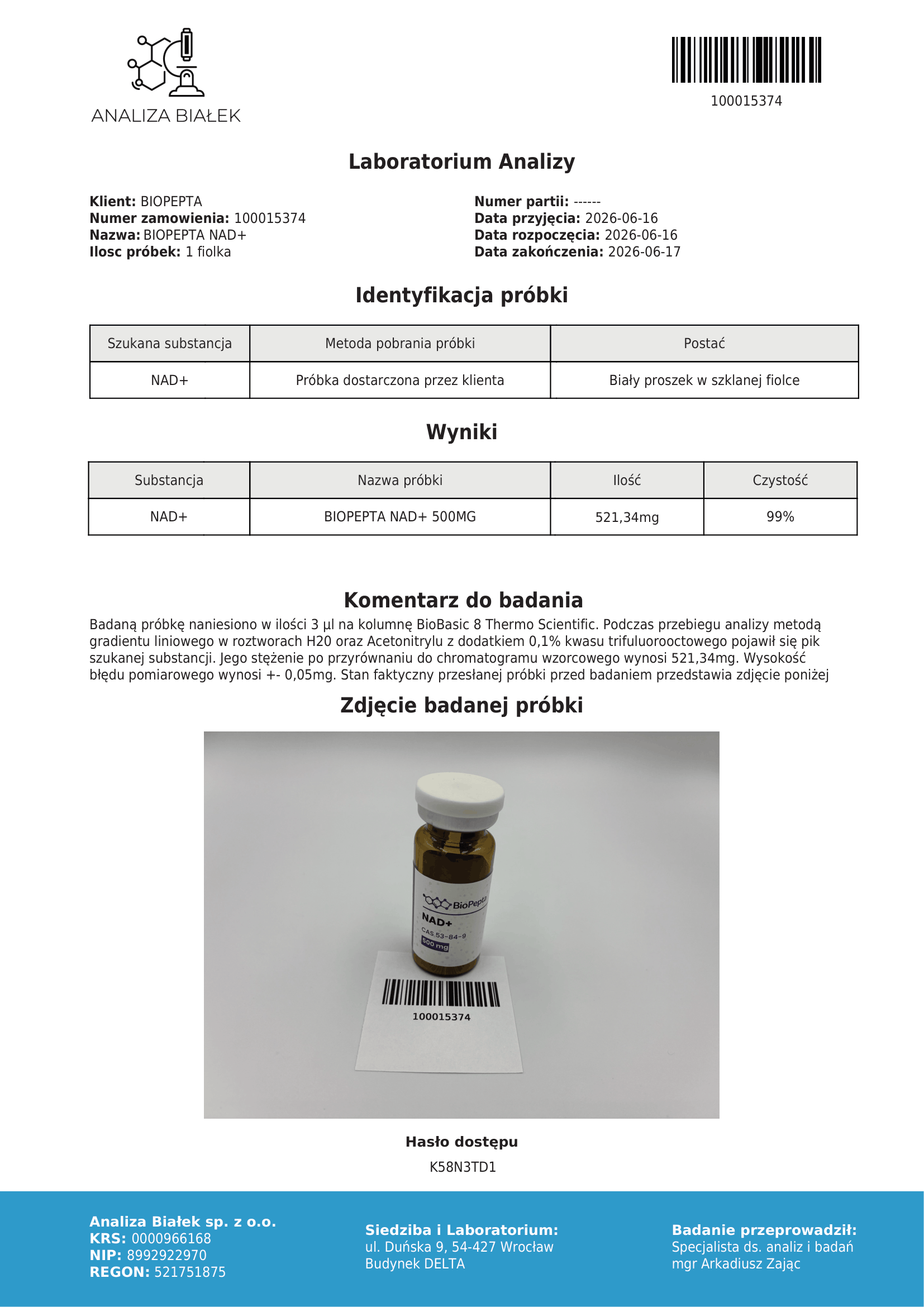
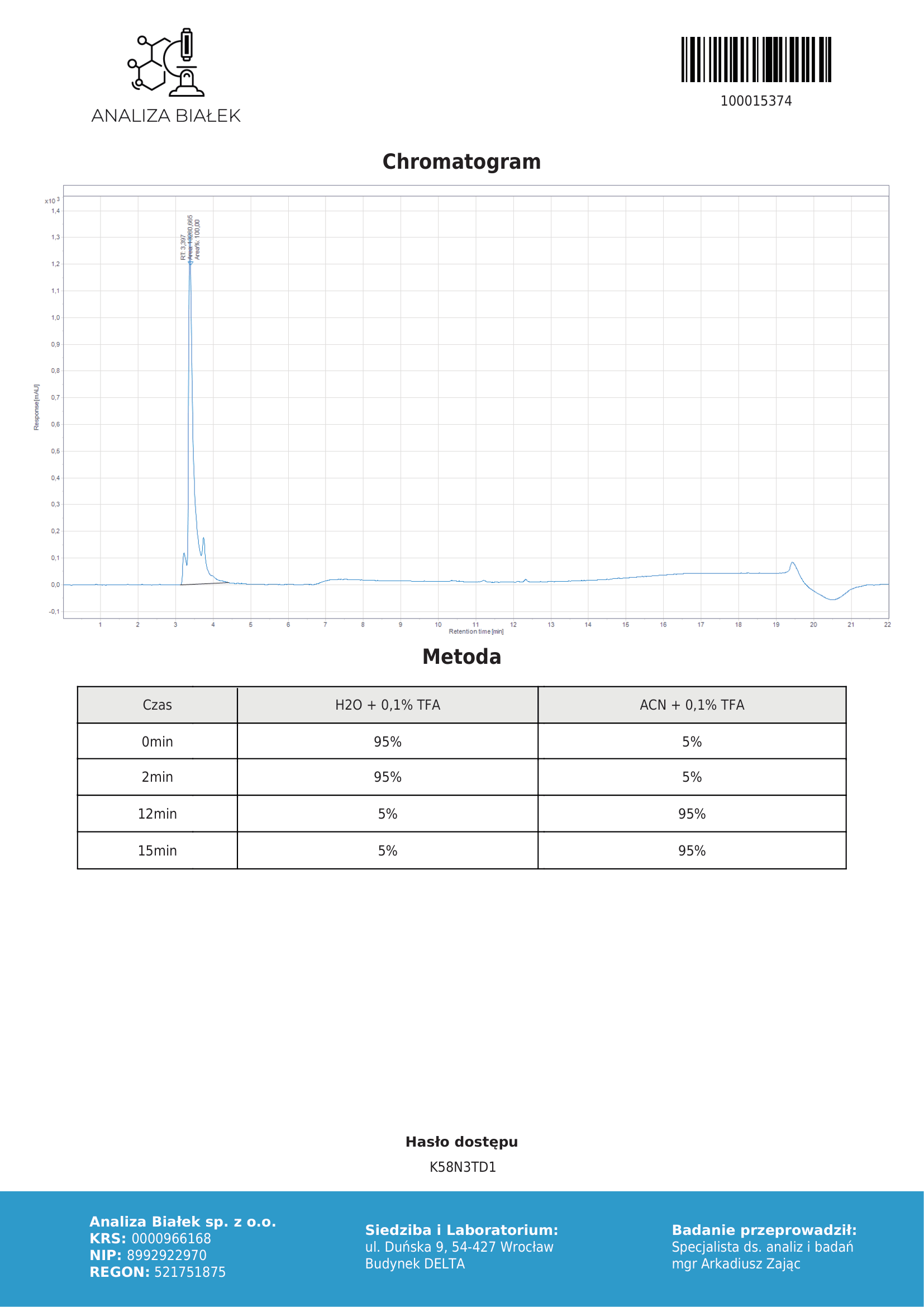
In scientific literature, this compound is often used as a reagent during enzymatic activity analyses, nucleotide studies, and the development of analytical methods using liquid chromatography, spectrophotometry, and mass spectrometry.
Significance in Biochemistry
NAD+ is considered one of the fundamental enzymatic cofactors known to modern biochemistry. Due to its ubiquity and well-described chemical characteristics, it remains one of the most frequently used reference compounds in studies on metabolic processes and enzyme function.

 Free shipping on orders over 500 PLN
 Order by 3 PM for same-day shipping


Julia Borska (verified owner) –