Opis
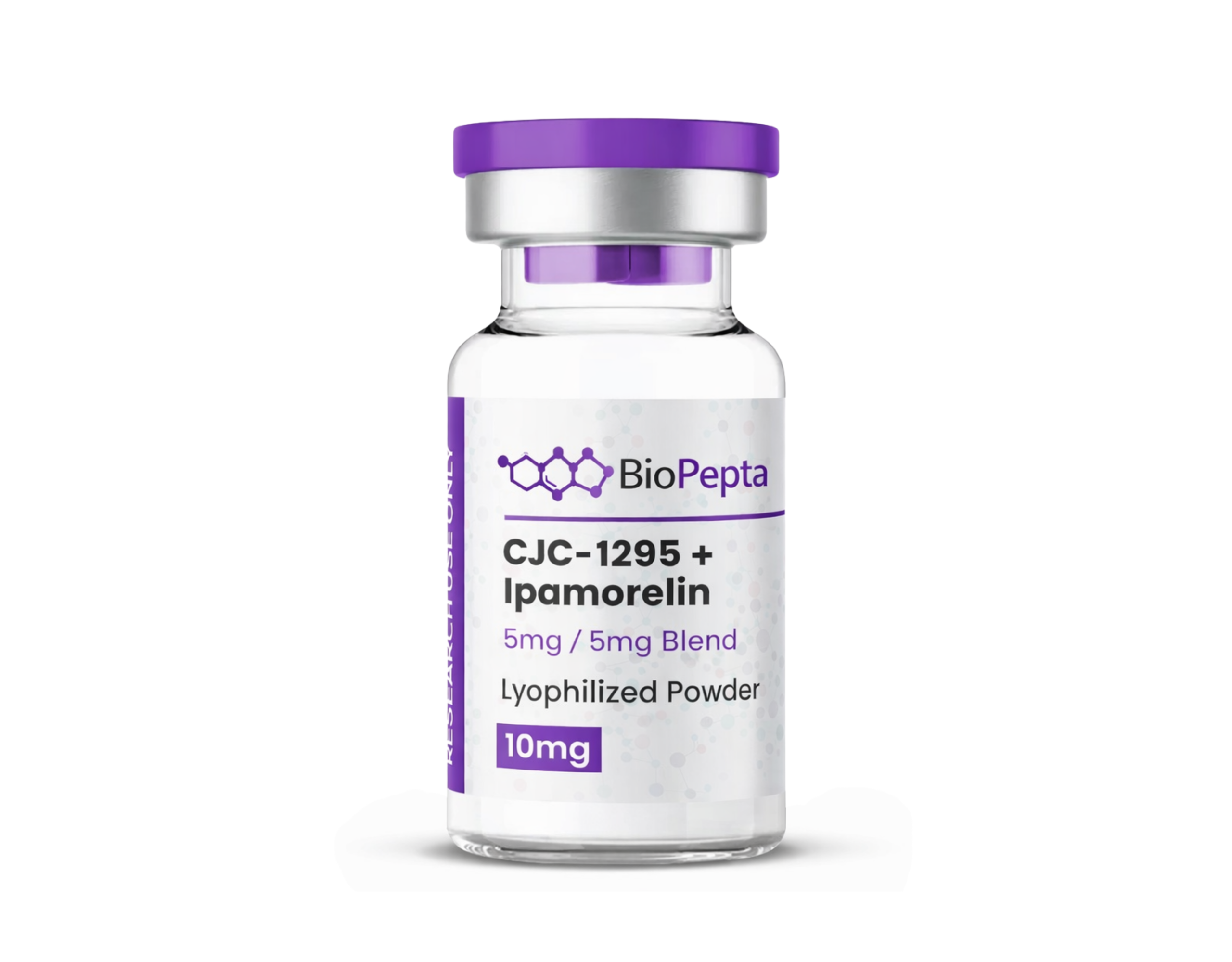
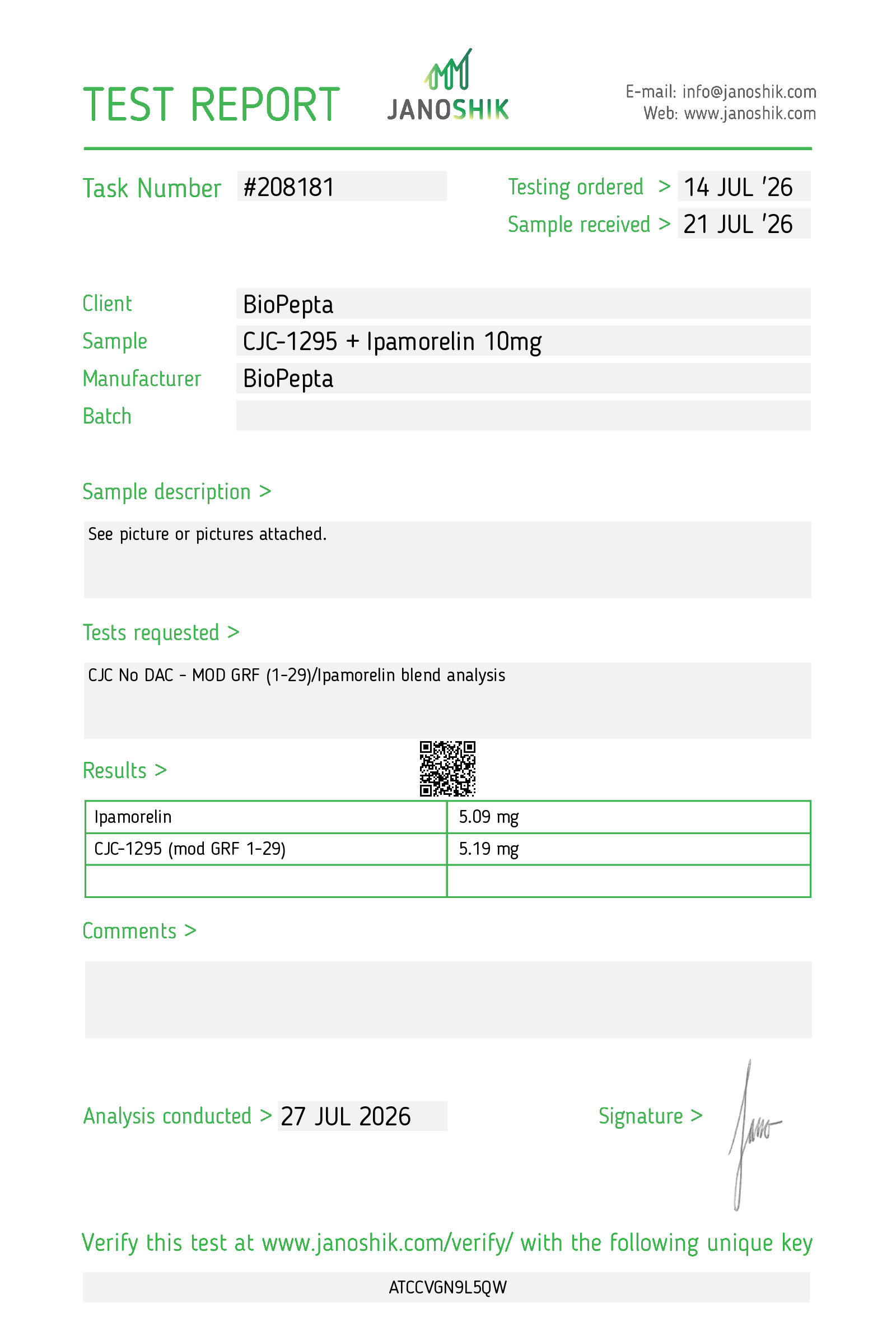
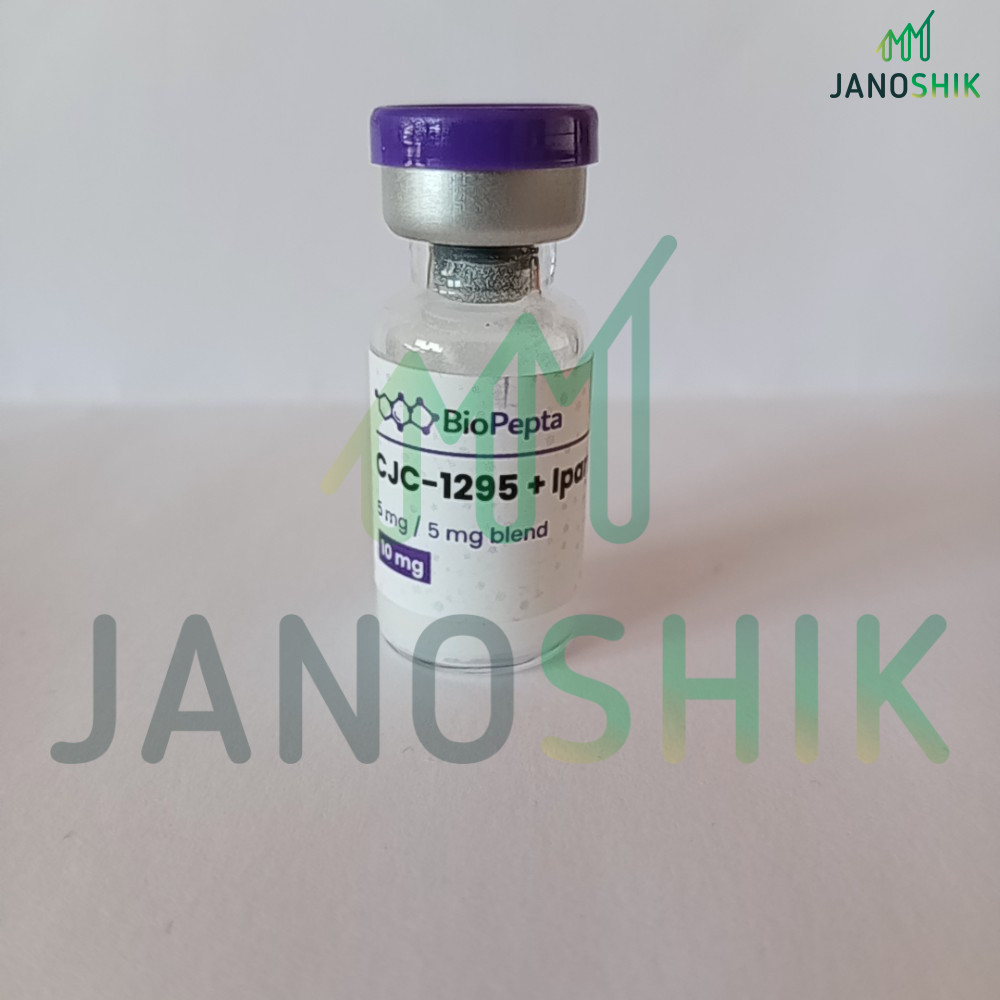
CJC-1295 + Ipamorelin – characteristics, structure, and application in laboratory research
What is CJC-1295 + Ipamorelin?
CJC-1295 + Ipamorelin is a combination of two synthetic peptides that have been the subject of research in experimental endocrinology, molecular biology, and peptide chemistry for many years. Both molecules interact with different elements of the system regulating growth hormone secretion, which is why they are often analyzed in parallel in studies on receptor signaling mechanisms.
CJC-1295 is a synthetic analog of growth hormone-releasing hormone (GHRH), while Ipamorelin belongs to the group of synthetic peptides that are ghrelin receptor agonists (GHS-R1a – Growth Hormone Secretagogue Receptor). Due to the different mechanisms of action of both molecules, their combination has become the subject of numerous scientific publications analyzing the function of the hypothalamus–pituitary axis.
Chemical structure
CJC-1295 is a modified GHRH analog developed using changes in the amino acid sequence aimed at increasing the molecule’s stability under laboratory conditions. Various variants of this substance are found in scientific literature, including a form conjugated with the DAC (Drug Affinity Complex) and a variant without this element.
Ipamorelin, on the other hand, is a short synthetic peptide belonging to the group of so-called growth hormone secretagogues. It was designed as a highly selective GHS-R1a receptor ligand and, since its development, has been the subject of numerous studies regarding peptide chemistry and receptor biology.
Both substances are produced by chemical peptide synthesis methods and are used as research models in the analysis of the relationship between peptide structure and its molecular properties.
CJC-1295 and Ipamorelin as subjects of scientific research
Scientific publications regarding CJC-1295 and Ipamorelin focus primarily on the analysis of peptide receptors, cellular signaling mechanisms, and the design of new peptide analogs.
The most commonly described research directions include:
- growth hormone-releasing hormone (GHRH) analogs,
- GHS-R1a receptors,
- peptide receptors,
- cellular signaling,
- synthetic peptide design,
- relationship between peptide structure and function,
- molecular biology,
- structural biology,
- molecular modeling,
- peptide chemistry.
In scientific literature, both molecules are often used as research tools enabling the analysis of various mechanisms of hormonal signaling regulation at the molecular level.
Application in laboratory research
CJC-1295 and Ipamorelin are used in basic and experimental research conducted in laboratories dealing with peptides and membrane receptors.
They are most commonly used in work in the fields of:
- peptide chemistry,
- biochemistry,
- molecular biology,
- structural biology,
- experimental endocrinology,
- peptide receptor research,
- ligand–receptor interaction modeling,
- liquid chromatography (HPLC),
- mass spectrometry (LC-MS),
- peptide identification and characterization methods.
Due to the different binding sites of both molecules, the combination of CJC-1295 and Ipamorelin is often used in studies comparing different receptor signaling pathways.
Significance in peptide research
CJC-1295 and Ipamorelin belong to the group of synthetic peptides widely described in literature dedicated to receptor biology and peptide chemistry. They serve as examples of molecules designed to interact with different elements of the same biological system, making them useful research models for analyzing the relationships between peptide construction, spatial structure, and receptor binding mechanisms.
Their characteristics mean they regularly appear in publications regarding peptide analog design and the development of methods for studying ligand–receptor interactions.

 Darmowa dostawa od 500 zł
 Zamów do godziny 15, a wyślemy tego samego dnia
Opinie
Nie ma jeszcze żadnych recenzji