Description
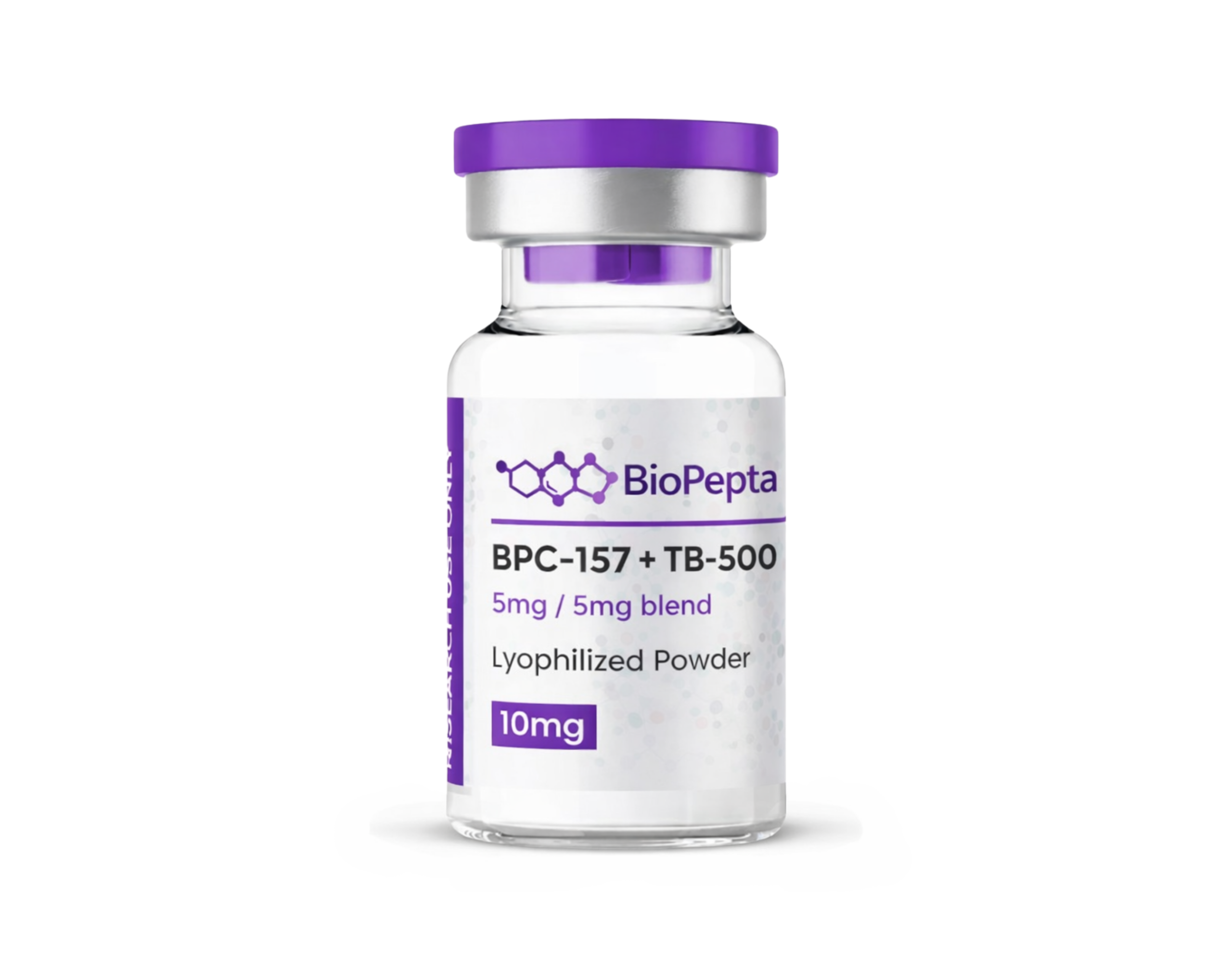
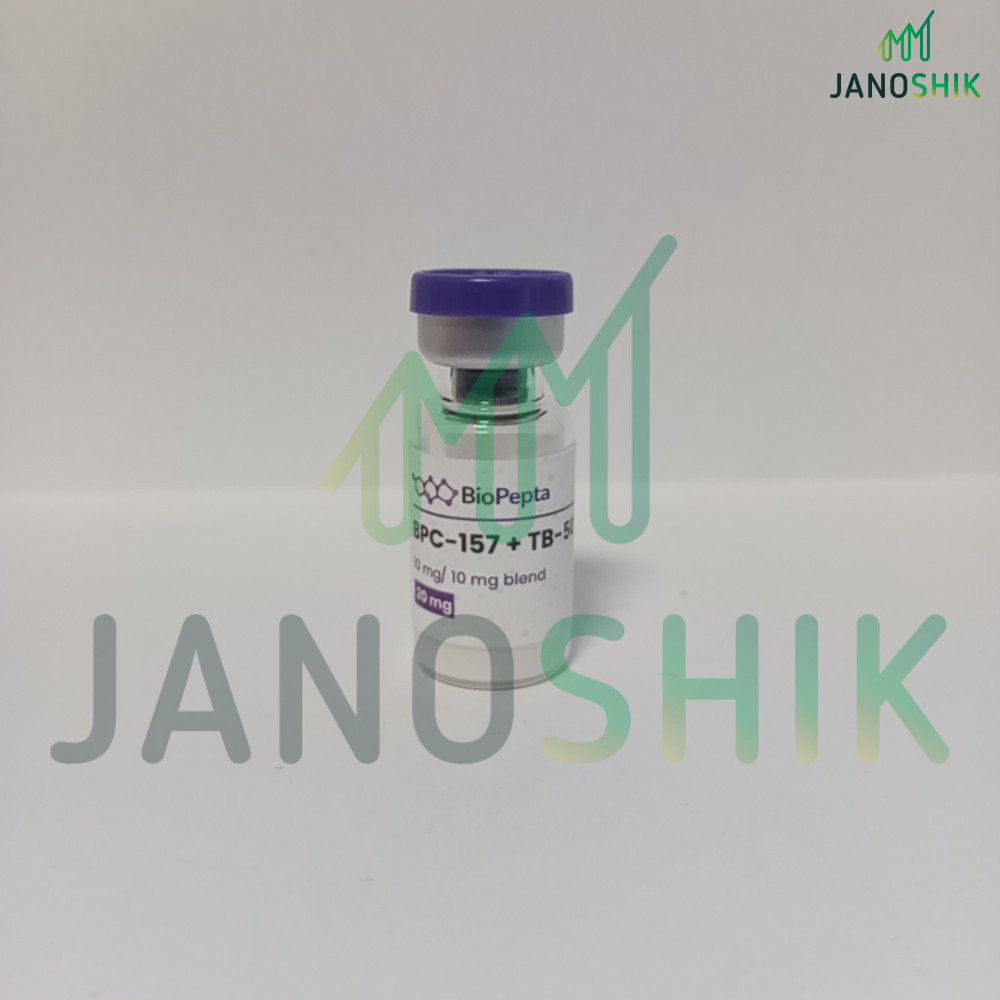
BPC-157 + TB-500 – Properties, Structure, and Application in Laboratory Research
What is BPC-157 + TB-500?
BPC-157 + TB-500 is a combination of two synthetic peptides that have been the subject of research in molecular biology, peptide chemistry, and cell biology for many years. Due to their different origins and structural properties, both molecules are often analyzed individually and as part of research projects involving the simultaneous interaction of various peptides.
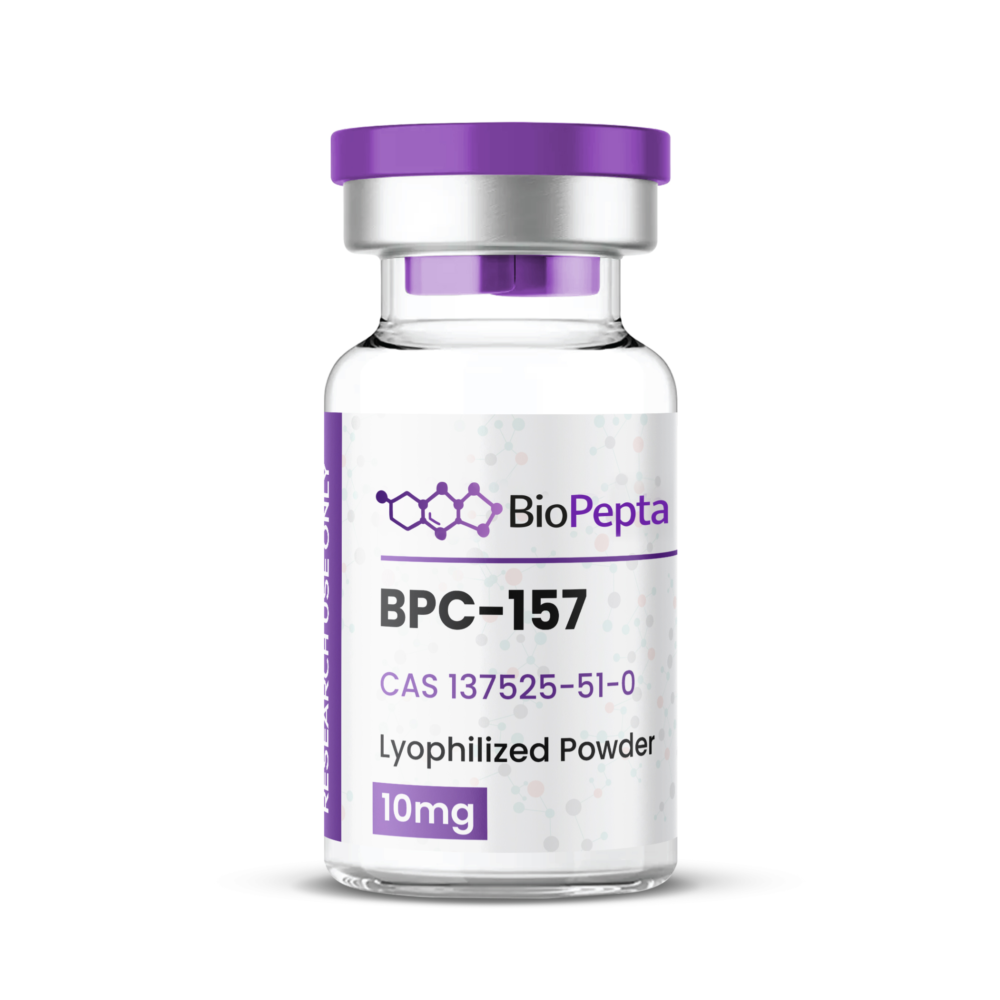
BPC-157 is a synthetic peptide composed of 15 amino acids, whose sequence is derived from a protein fragment known as Body Protection Compound (BPC). In turn, TB-500 is a synthetic analog of a thymosin β4 fragment – a naturally occurring protein belonging to the thymosin family.
The combination of both peptides is the subject of numerous basic research studies concerning the properties of synthetic peptides, their stability, and interactions with biological systems at the molecular level.
Chemical Structure
BPC-157 is a short peptide composed of 15 amino acids. Due to its relatively low molecular weight, it is often used as a model peptide in studies on the synthesis, analysis, and identification of peptide compounds.
TB-500 is a synthetic analog of the active fragment of thymosin β4 – a protein involved in regulating actin filament dynamics. In biochemical research, it is primarily used as a tool to analyze the relationship between the structure of thymosin β4 fragments and their molecular properties.
Both peptides are obtained by solid-phase peptide synthesis (SPPS), which remains the standard technique used to obtain synthetic peptides with a precisely defined amino acid sequence.
BPC-157 and TB-500 as Subjects of Scientific Research
Both peptides have appeared in scientific literature concerning peptide biology and medicinal chemistry for many years. Although their origins differ, they are often analyzed in similar research areas related to the properties of short peptides and the design of new analogs.
Most common research directions include:
- peptide chemistry,
- molecular biology,
- cell biology,
- structural biology,
- analysis of short amino acid sequences,
- molecular modeling,
- physicochemical properties of peptides,
- stability of synthetic peptides,
- design of peptide analogs.
Scientific literature also includes publications analyzing the interactions of both peptides with various elements of the cellular environment and their structural properties.
Use in laboratory research
BPC-157 and TB-500 are used as research materials in laboratories specializing in peptide chemistry and molecular biology.
They are most commonly used in research in the fields of:
- peptide chemistry,
- biochemistry,
- molecular biology,
- cell biology,
- structural biology,
- design of peptide analogs,
- liquid chromatography (HPLC),
- mass spectrometry (LC-MS),
- identification and characterization of peptides.
Due to their well-understood amino acid sequences, both peptides are also used in developing analytical methods for the identification and analysis of peptide compounds.
Significance in Peptide Research
BPC-157 and TB-500 belong to a group of synthetic peptides often used as research models in analyzing the relationship between amino acid structure and the properties of peptide molecules.
BPC-157 is particularly interesting from the perspective of research on short peptides derived from natural proteins, while TB-500 is used in projects concerning the biology of thymosin β4 and proteins related to the organization of the cellular cytoskeleton. Thanks to the different origins of both molecules, combining them in one research project allows for comparing the properties of various classes of synthetic peptides.

 Free shipping on orders over 500 PLN
 Order by 3 PM for same-day shipping


Reviews
There are no reviews yet