Description
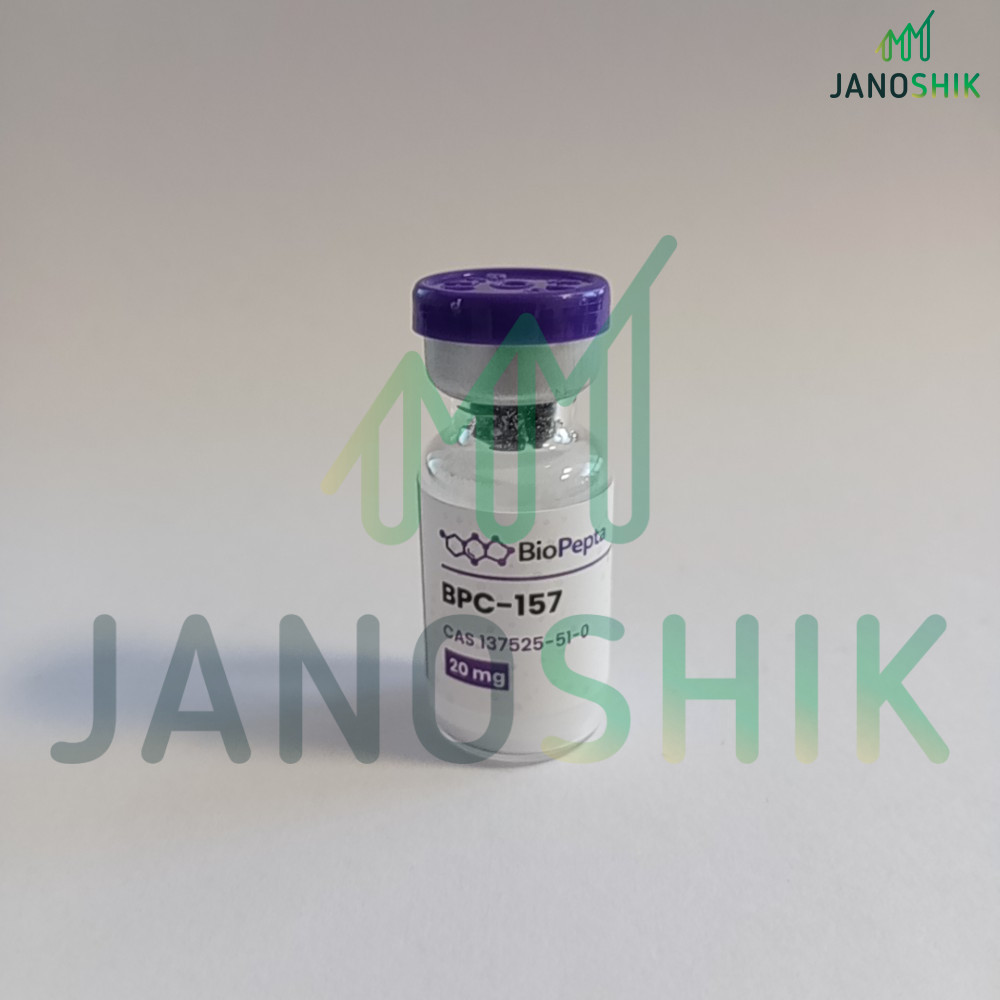
BPC-157 – Characteristics, Structure, and Use in Laboratory Research
What is BPC-157?
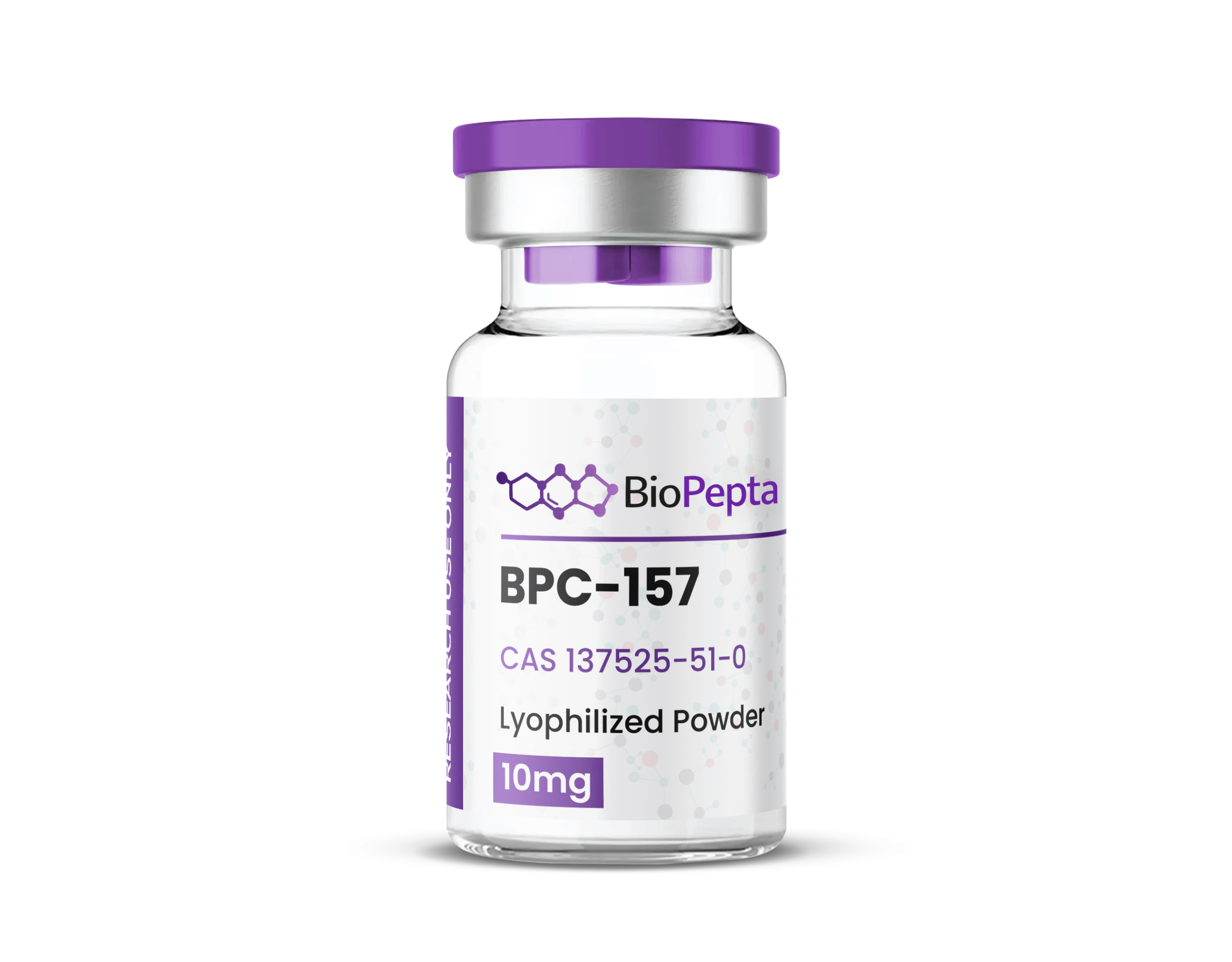
BPC-157 (Body Protection Compound-157) is a synthetic peptide composed of 15 amino acids. Its sequence is derived from a fragment of a protein known as Body Protection Compound (BPC), which was identified in gastric juice. Based on this sequence, a synthetic peptide was developed and is now used as research material in numerous projects in molecular biology, biochemistry, and peptide chemistry.
Since BPC-157 was described in scientific literature, the substance has been the subject of intensive basic research on short regulatory peptides, peptide stability, and cell signaling mechanisms. Thanks to its well-understood amino acid sequence, BPC-157 is among the most frequently described synthetic peptides in this group.
Chemical Structure
BPC-157 is a pentadecapeptide, meaning its molecule consists of fifteen amino acids linked by peptide bonds. Unlike many more complex research peptides, it has a linear structure, making it often used as a model in studies concerning the synthesis, identification, and characterization of short peptides.
Its low molecular weight and well-defined amino acid sequence also make BPC-157 useful in developing analytical methods for identifying peptide compounds.
BPC-157 as a Subject of Scientific Research
For many years, BPC-157 has been the subject of research conducted by teams specializing in peptide chemistry and cell biology. Scientific publications primarily analyze it for its structural properties, chemical stability, and interactions with various cell signaling pathways.
The most frequently described research areas include:
- short regulatory peptides,
- peptide chemistry,
- molecular biology,
- cell biology,
- gene expression,
- cell signaling pathways,
- physicochemical properties of peptides,
- design of peptide analogs,
- molecular modeling.
BPC-157 also appears in publications dedicated to peptide synthesis methods and the analysis of relationships between amino acid structure and the properties of peptide molecules.
Use in Laboratory Research
Due to its well-understood chemical structure, BPC-157 is used as research material in laboratories conducting basic and experimental studies.
It is most commonly applied in work related to:
- peptide chemistry,
- biochemistry,
- molecular biology,
- cell biology,
- structural biology,
- gene expression studies,
- liquid chromatography (HPLC),
- mass spectrometry (LC-MS),
- peptide identification and characterization,
- methods for analyzing peptide compounds.
Thanks to its unambiguously defined amino acid sequence, BPC-157 is often used as a research model in the development of new analytical methods and studies on short synthetic peptides.
Significance in Peptide Research
BPC-157 is one of the most recognized short synthetic peptides described in contemporary scientific literature. Researchers’ particular interest stems from its origin from a natural peptide and its relatively simple structure, which allows for detailed structural analyses.
Scientific publications on BPC-157 cover topics related to peptide chemistry, analog design, molecular biology, and research on the properties of short amino acid sequences. This compound remains one of the most frequently used research models in the analysis of synthetic regulatory peptides.

 Free shipping on orders over 500 PLN
 Order by 3 PM for same-day shipping


Grzegorz Nowak (verified owner) –
Paweł (verified owner) –
Polecam