Description
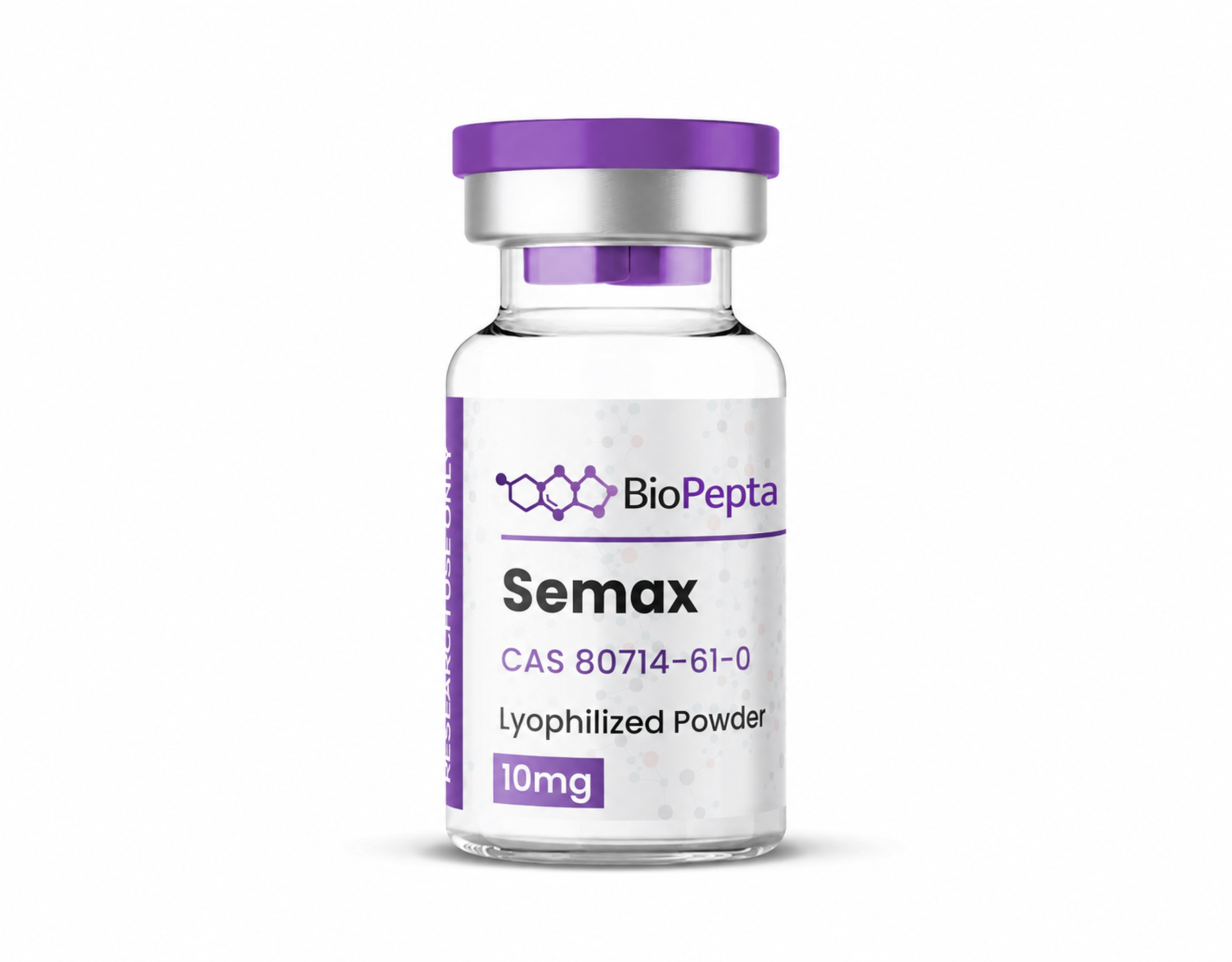
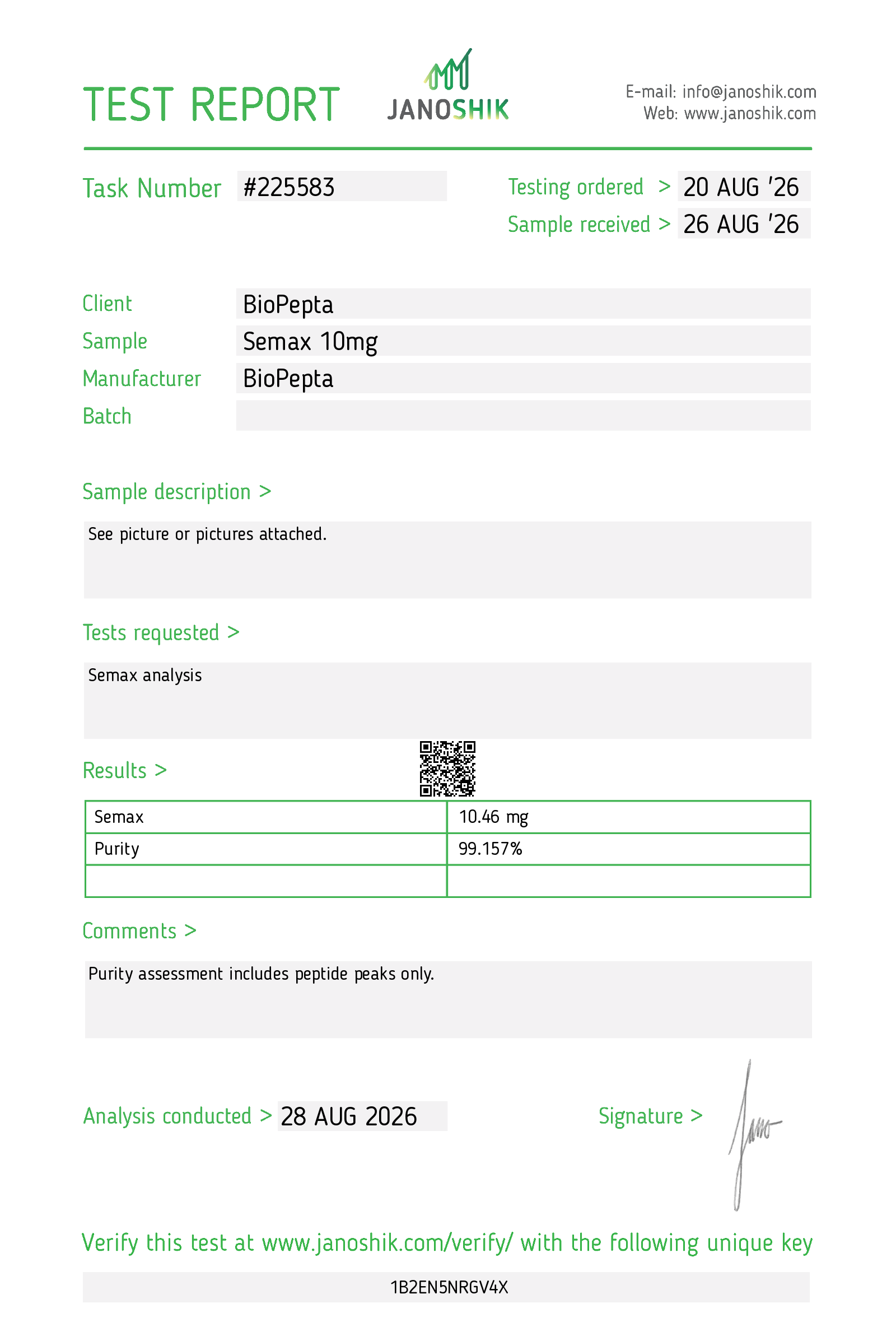
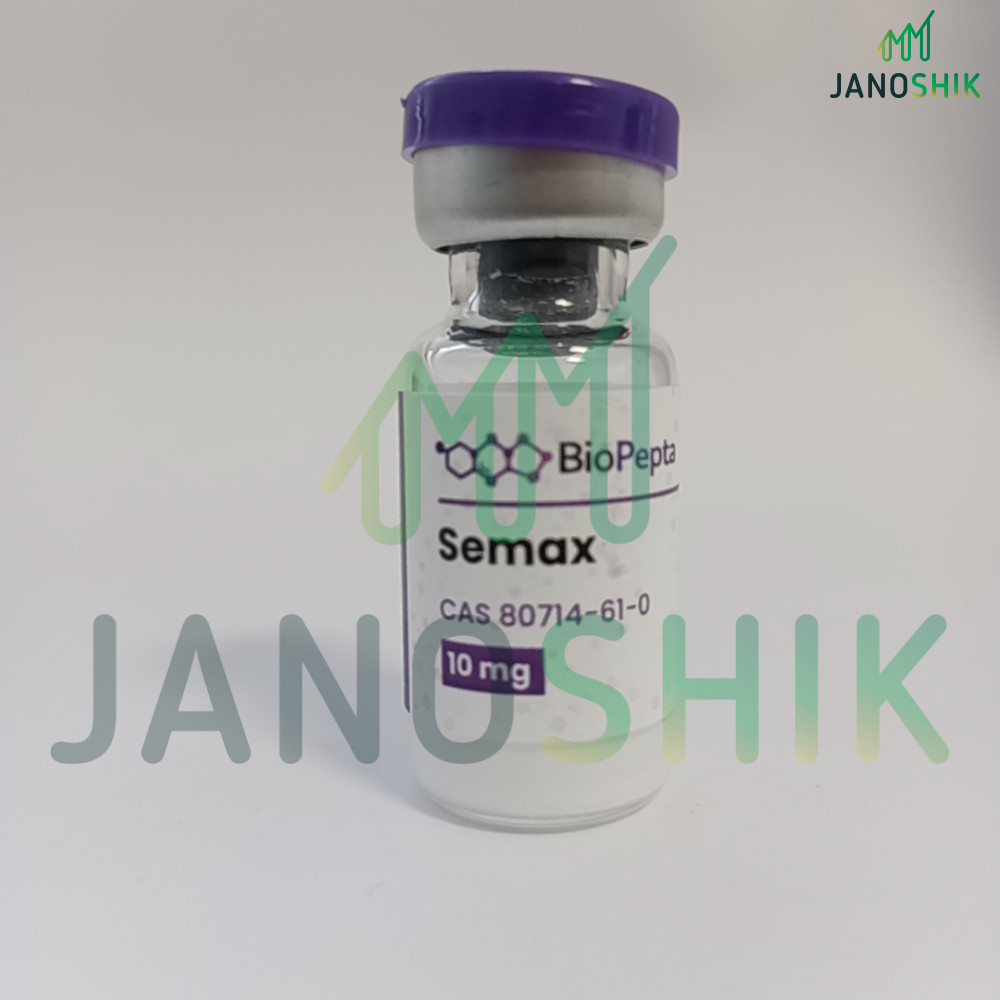
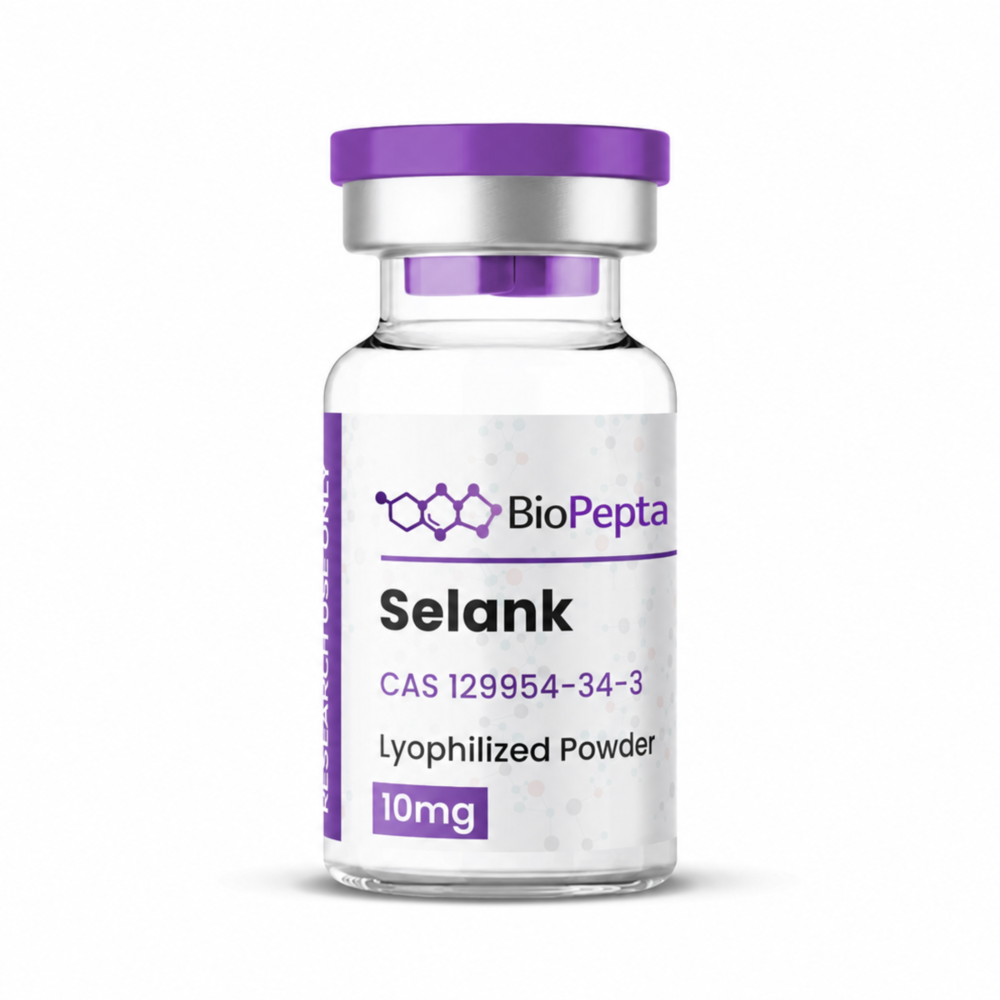
Semax – Characteristics, Structure, and Use in Laboratory Research
What is Semax?
Semax is a synthetic peptide derived from the structure of a fragment of adrenocorticotropic hormone (ACTH). This compound was developed as a modified peptide analog, whose properties have become the subject of research in neurobiology, biochemistry, experimental pharmacology, and molecular biology.
In scientific literature, Semax is primarily described as a model compound used to study the mechanisms of action of short peptides and their influence on processes occurring in the nervous system. Due to its low molecular weight and well-defined structure, it also represents an interesting subject for research on the relationship between peptide structure and its biological properties.
Chemical Structure
Semax belongs to the group of synthetic oligopeptides obtained by chemical peptide synthesis methods. Its structure is based on a short amino acid sequence related to an ACTH fragment, which has been modified by adding a Pro-Gly-Pro residue.
The presence of this modification distinguishes Semax from the natural ACTH fragment and affects the physicochemical and biological properties of the resulting molecule.
Due to its relatively simple structure, Semax can be used as a model in studies on the stability of short peptides, their chemical properties, and interactions with biological systems.
Research on these types of compounds allows for the analysis of the impact of minor structural changes on peptide properties and their behavior in a biological environment.
Semax as a Subject of Scientific Research
For many years, Semax has been of interest to scientists involved in neurobiology, peptide chemistry, and experimental pharmacology. Publications concerning this compound include studies on its molecular properties, stability, and potential mechanisms of interaction with nervous system cells.
The most common research directions include:
- characterization of short biologically active peptides,
- studies on peptide mechanisms of action in the nervous system,
- analysis of structure-function relationships of peptides,
- studies on chemical and enzymatic stability,
- analysis of the expression of selected neurotrophic factors,
- studies on signaling pathways related to neuron function,
- molecular modeling,
- molecular biology and neurobiology.
Semax also appears in works concerning the influence of short peptides on processes related to the functioning of nerve cells and cellular response to various stimuli.
Use in Laboratory Research
Due to its defined chemical structure, Semax can be a subject of research conducted by laboratories specializing in peptide chemistry, biochemistry, and neurobiology.
Its applications described in scientific literature include, among others, in:
- biochemistry,
- neurobiology,
- molecular biology,
- peptide chemistry,
- experimental pharmacology,
- neuroprotection research,
- signaling pathway analysis,
- gene and protein expression studies,
- high-performance liquid chromatography (HPLC),
- mass spectrometry (LC-MS),
- methods for peptide identification and characterization.
In a laboratory context, Semax can also be used as a reference substance in the analysis of short peptide properties and in studies concerning their stability and analytical identification.
Significance in Peptide Research
Synthetic peptides with short sequences, such as Semax, serve as useful research models enabling the analysis of relationships between the chemical structure of a molecule and its biological properties.
Semax is particularly interesting from the perspective of research on the modification of natural peptide sequences. Comparing its properties with the parent structures allows for analyzing the significance of specific sequence changes and their impact on the stability and activity of the studied compound.
This type of research finds application in peptide chemistry, neurobiology, molecular biology, and experimental pharmacology. Semax is an example of a synthetic peptide whose relatively simple and well-defined structure enables controlled studies on the properties of short peptide molecules.

 Free shipping on orders over 500 PLN
 Order by 3 PM for same-day shipping


Reviews
There are no reviews yet